
-
Breakthrough Antisense Oligonucleotide Treatments Explained

Claire’s story highlights her transformation from a child with spinal muscular atrophy to one able to walk and communicate, thanks to the breakthrough antisense oligonucleotide therapy, Spinraza. This therapy symbolizes hope for many genetic conditions, though challenges remain, including delivery difficulties, side effects, high costs, and the need for further research in efficacy and access.
Categories:
By
-
Understanding AAV Therapies: A Breakthrough for Genetic Diseases
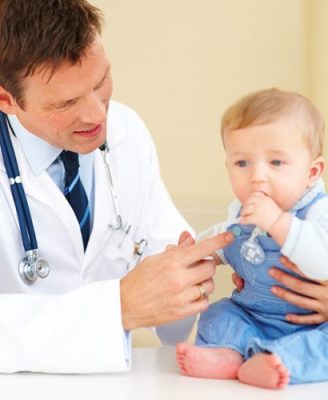
Baby Josephine and her sister Evelyn both faced spinal muscular atrophy type 1. Traditional treatments failed, but Evelyn’s participation in a clinical trial for the gene therapy Zolgensma transformed her life. Despite its $2.1 million cost and risks, early intervention with Zolgensma significantly improved outcomes for children diagnosed with SMA.
By
-
Revolutionizing Sickle Cell Treatment with CRISPR

Victoria Gray, diagnosed with sickle cell disease (SCD) at three months, defied a seven-year life expectancy, suffering for 34 years. Traditional treatments failed until she participated in a groundbreaking CRISPR trial, successfully reactivating healthy hemoglobin production. Victoria is now pain-free, showcasing the potential of genetic medicine to cure chronic conditions.
Categories:
By
-
Beyond Pills and Surgery: The Therapeutic Revolution Happening Now

For over a century, traditional medicine offered pills and surgery, effectively managing many conditions. However, it often falls short for genetic diseases. The advent of precision therapies, such as CRISPR and AAV gene therapy, marks a revolutionary shift, curing root causes rather than managing symptoms, thus transforming patient outcomes.
Categories:
By
-
Human body and microbiome

The gut microbiome significantly influences health, particularly concerning colon cancer. Research reveals links between specific microbes and the disease, especially in high-risk individuals. Understanding gut microbiota dysbiosis and its mechanisms can guide dietary choices to prevent colon cancer. While microbiome testing is evolving, widespread accessibility remains a challenge.
Categories:
By
-
Improving Accuracy in Whole Genome Sequencing
Next-generation sequencing (NGS) is essential for clinical diagnostics, but limitations in variant detection arise from challenging genomic regions and low-frequency variants. Improvements in long-read sequencing and bioinformatics may enhance test accuracy. Additionally, standardization of workflows and the use of commutable reference materials are critical for reliable genetic testing across laboratories.
Categories:
By
-
The Rise and Fall of 23andMe: A Cautionary Tale
23andMe, the pioneer in direct-to-consumer genetic testing, faced a downfall after a data breach in 2023, leading to bankruptcy and the resignation of its founder. Despite previous partnerships and efforts to monetize customer data, the lack of transparency raised significant privacy concerns. Its assets were acquired by the TTAM Research Institute, bringing hope for the…
By
-
The Future of Newborn Screening: Genomics and Challenges
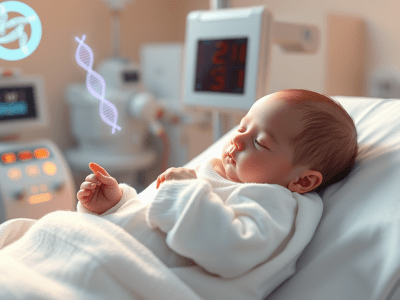
Newborn screening (NBS) is crucial for early detection of severe health conditions in infants, enabling timely interventions that can prevent disabilities or death. While the testing varies globally, the push for genomic screening is increasing. Challenges include ethical considerations, disparities in access, and the need for consistent screening panels across different programs.
Categories:
By
-
Ovarian Cancer: Importance of Early Detection and Symptoms

Ovarian cancer, the 5th leading cause of cancer death in women, has a low 5-year survival rate due to often late diagnosis. Symptoms include abdominal pain, bloating, fatigue, and abnormal bleeding. Risk factors involve age and family history. Efforts are ongoing to improve early detection methods to enhance survival rates.
Categories:
By
-
Role of videos in genetic education

As you have noticed, I have been away again. Many things have happened over the past year and I decided to take some time away. And as we thought things were back to normal and life is settling down, this year started with an epidemic, which became a pandemic and now we have been under…
Categories:
By
Making sense of your genome
